Everything you need to know about Combining Gorilla & Chimpanzee Trekking in Uganda & Rwanda: This is our Expert Guide from the team at Engabi Tours and Travel
We have lost count of how many times a guest has asked this question: “If I’m already coming all the way to East Africa for gorillas, can I also see chimpanzees?”
The short answer is yes. The longer answer, the one we give over a phone call is that combining gorilla & chimpanzee trekking is one of the most rewarding safari experiences you can have. But it’s not as simple as just adding a day to your itinerary. There are logistics to consider, permit costs to budget for and a real difference in what you’ll actually experience.
Our guide Roland, who has led hundreds of primate treks, puts it simply: “Gorilla trekking is like sitting in a quiet cathedral. Chimpanzee trekking is like walking into a busy market. Both are unforgettable, but for completely different reasons.”
Based on our 10 years of arranging these combined primate safaris in Uganda and Rwanda, here is everything you need to know for your upcoming trip.
Why Combine Gorilla and Chimpanzee Trekking?
Mountain gorillas and chimpanzees share roughly 98% of their DNA with humans, yet the experience of tracking them could not be more different .
Gorilla trekking is deliberate and calm. You sit in stillness, watching a family of gentle giants feed, groom, and rest. The silverback’s unblinking gaze often becomes the defining memory of the encounter. It’s measured, quiet and intimate.
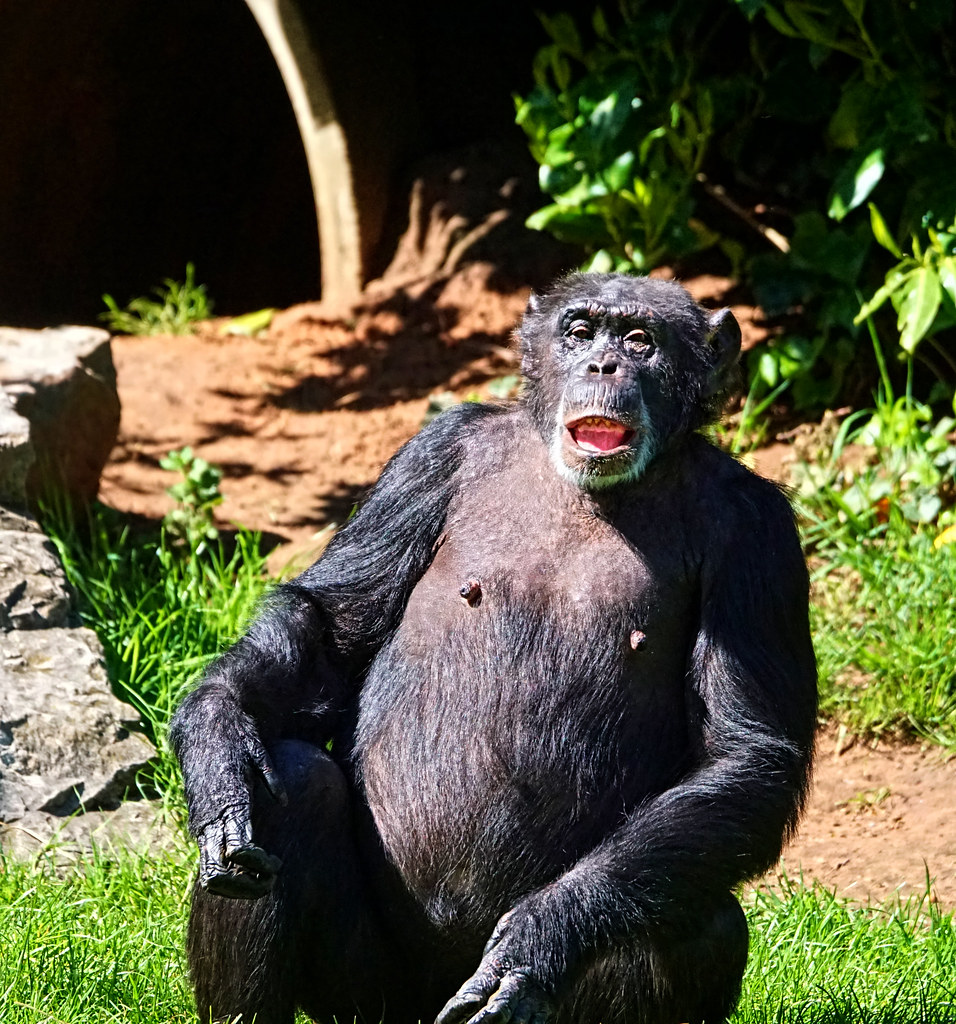
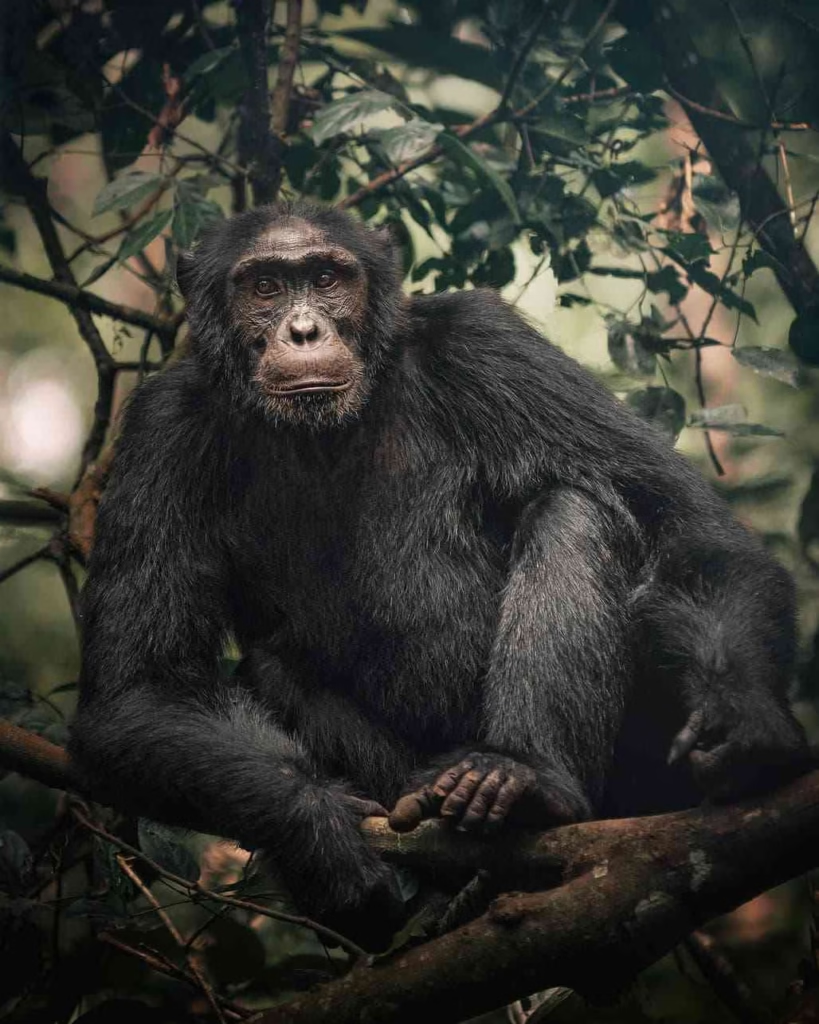
Chimpanzee tracking by contrast, is fast-paced and vocal. Chimps move quickly through the canopy and their pant-hoot calls can carry over a kilometre through the forest . You hear them before you see them and when you do, it’s often a whirlwind of sound and motion.
Doing both on one trip lets you compare the social structures, behaviors and habitats of humanity’s two closest living relatives. And because Uganda in particular packs several primate-rich forests close together, it’s far more logistically efficient than most travellers assume.
Where to Track Gorillas and Chimpanzees Together
Uganda: The Undisputed Leader
Uganda is the best country for combining gorilla and chimpanzee trekking. It hosts both mountain gorillas (in Bwindi Impenetrable National Park and Mgahinga Gorilla National Park) and multiple chimpanzee populations, most notably in Kibale National Park often called the “primate capital of the world” .
Kibale National Park holds one of the highest chimpanzee densities in Africa, with an estimated 1,500 individuals across 13 primate species . Treks here have a sighting success rate above 90% unmatched in the region .
Kyambura Gorge, nicknamed “the valley of apes” within Queen Elizabeth National Park, offers a shorter more accessible chimpanzee trek without a major detour. Sightings here are less reliable than Kibale’s but it’s a practical choice for travellers with a tighter schedule .
Budongo Forest and Kalinzu Forest provide quieter, less-visited alternatives with lower permit costs.
“For a combined itinerary, I always recommend Kibale for the chimpanzee trek,” says Allan, one of our expert guides. “The density of chimps there means we can almost guarantee a sighting. That matters when you’ve travelled halfway around the world.”
Rwanda: The Compact Alternative
Rwanda offers a similar pairing between Volcanoes National Park for gorillas and Nyungwe Forest National Park for chimpanzees. However, the two sites sit further apart about a half-day’s drive which typically stretches a Rwanda-only primate safari to five days or more .
Rwanda suits travellers who prefer a polished, premium experience with shorter travel distances from Kigali. The gorilla treks in Volcanoes National Park often feature more open bamboo terrain and shorter hike times than Bwindi’s dense rainforest .
The Difference in Trekking Experience
Gorilla Trekking: Steep Rainforests, Slow Rewards
Gorilla trekking in Bwindi takes you into some of the most dramatic terrain in Africa. Trails rise and fall through montane rainforest, with altitudes ranging from 1,160 to over 2,600 meters. Expect steep slopes, tangled undergrowth and the occasional need to use your hands for balance .
The duration varies widely. Your gorilla family may be a short 90-minute walk from the trailhead, or a demanding six-hour climb away. Roland tells our guests: “I’ve had a group reach a family in 25 minutes and another hike for over 4 hours through Ruhija’s steep ridges. We plan around your fitness level.”
Once found, you get one hour with the family, capped at a maximum of eight trekkers per group .
Chimpanzee Trekking: Gentler Forest Walks
Chimpanzee trekking is a different kind of challenge. In Kibale, guided treks typically last two to five hours including tracking . Trails wind through mid-altitude rainforest that are less steep than Bwindi but demanding in another way. Chimps rarely stay in one place.
Chimpanzee trekking requires more attention and faster reactions. You’re not just walking, you’re listening for calls, watching for movement in the canopy and ready to move quickly when the forest comes alive.”
Permit Costs for 2027/2028
Permits are the most significant cost in any primate safari. Here is the current pricing structure based on the latest information available for 2027/2028 :
| Activity | Foreign Non-Resident | Foreign Resident | Rest of Africa | East African Citizen |
| Uganda Gorilla Trekking (Bwindi) | $800 | $700 | $500 | UGX 300,000 |
| Uganda Gorilla Habituation (4 hours) | $1,800 | $1,600 | $1,000 | UGX 750,000 |
| Uganda Chimpanzee Trekking (Kibale) | $300 | $200 | $100 | UGX 180,000 |
| Uganda Chimpanzee Trekking (Kyambura) | $200 | $150 | $100 | UGX 50,000 |
| Uganda Chimpanzee Habituation (Kibale) | $400 | $300 | $250 | UGX 250,000 |
| Rwanda Gorilla Trekking (Volcanoes) | $1,500 | $500 | $500 | $200 |
| Rwanda Chimpanzee Trekking (Nyungwe) | $250 including daily park fees | $75 – $135 | $75 – $135 | $25 |
A quick note:
Uganda Wildlife Authority introduced low-season discounts that pull the gorilla permit down to approximately $600 for foreign non-residents and $500 for foreign residents during April, May and November and the chimpanzee permit down to $200 for foreign non-residents and $150 for foreign residents.
Because a chimpanzee permit costs a fraction of a gorilla permit, adding chimp trekking to an existing gorilla itinerary is one of the most cost-effective ways to expand your safari . Both permits should be booked together and well in advance because gorilla permits especially can sell out 6–12 months ahead during peak season .
Our Recommendations on how your itinerary should look like when Combining Gorilla & Chimpanzee Trekking
First Option: Uganda Primate Triangle – 5 Days
This is the most popular and efficient combination .
- Day 1: Arrive Entebbe, transfer to Kibale Forest (5–6hours).
- Day 2: Chimpanzee trekking in Kibale Forest, afternoon Bigodi Wetland walk.
- Day 3: Transfer to Bwindi Impenetrable Forest (6 hours).
- Day 4: Gorilla trekking in Bwindi.
- Day 5: Return to Entebbe or transfer to Kigali.
Second Option: Uganda & Rwanda Primate Circuit – 10 Days
For travellers who want the best of both countries .
- Day 1: Arrive Entebbe, transfer to Kibale.
- Day 2: Chimpanzee trekking in Kibale.
- Day 3: Transfer to Queen Elizabeth NP, afternoon game drive.
- Day 4: Transfer to Bwindi.
- Day 5: Gorilla trekking in Bwindi.
- Day 6: Cross to Rwanda, overnight near Volcanoes NP.
- Day 7: Second gorilla trek in Volcanoes NP.
- Day 8: Golden monkey trekking in Volcanoes NP.
- Day 9: Day to rest.
- Day 10: Transfer to Kigali and Departure.
Third Option: Rwanda-Only Primate Safari – 8 Days
For travellers who prefer a compact, premium experience entirely within Rwanda .
- Day 1: Arrive Kigali, transfer to Akagera National Park and Afternoon Boat Safari.
- Day 2: Full Day Game Drive in Akagera National Park.
- Day 3: Transfer to Volcanoes National Park.
- Day 4: Gorilla trekking in Volcanoes NP.
- Day 5: Transfer to Lake Kivu.
- Day 6: Transfer to Nyungwe Forest National Park and Afternoon Canopy walk.
- Day 7: Chimpanzee Tracking Experience.
- Day 8: Transfer back to Kigali and departure.
Which Country Should You Choose?
Rwanda suits:
- Travellers with limited time (2–3 hours from Kigali to the gorillas).
- Those who prefer a polished, ultra-premium experience.
- Visitors who want the shortest drive times and highest-end lodges.
Uganda suits:
- Travellers seeking the best chimpanzee tracking (Kibale’s density and success rate).
- Those who want the most value for money (cheaper permits and accommodation).
- Visitors who want a richer safari experience (game drives, boat cruises, cultural encounters).
Best Time for Combining Gorilla & Chimpanzee Trekking
The dry seasons: June to September and December to February offer firmer trails in both Bwindi and Kibale, which matters more on a combined itinerary where a long delay on one trek can push back the next . Our advice for your 2027/2028 trip: Book peak season permits 6 to 12 months in advance. For wet-season treks (March to May, October to November), you’ll have more flexibility, lower lodge rates and permit prices but pack for mud.
What to Pack for a combined Gorilla & Chimpanzee Trekking Tour
Both treks demand similar gear. Here is what we tell our guests:
- Waterproof hiking boots (broken-in, not new).
- Long-sleeved shirts and trousers (quick-dry fabrics).
- Waterproof rain jacket.
- Garden gloves (for gripping vegetation).
- Insect repellent with DEET.
- Camera with extra batteries.
- Binoculars.
- Reusable water bottle.
- Face mask (required to protect the apes from human diseases).
Reach Out to Us for your next Safari Combining Gorilla & Chimpanzee Trekking
Based in Kampala, our team has been arranging these combined primate safaris for over a decade. We know the rangers, the best lodges and the best routes.
What we handle for you:
- Coordinating permits across multiple parks and countries.
- Booking lodges that suit your budget and style.
- Arranging seamless private 4×4 transfers.
- Providing expert guides like Roland and Allan, who know these forests intimately.
The permits are the most critical booking in the entire itinerary, We manage the applications directly through UWA and RDB so you don’t have to worry about any misalignment between permits and lodge dates.
Ready to Plan Your Primate Safari?
Contact us with your preferred travel dates and whether you’d like to focus on Uganda, Rwanda or both. We’ll check permit availability immediately and send you a detailed, no-obligation proposal.