Tips on How to Plan a Uganda Safari Itinerary: How many days to budget, National Parks to Consider, Costs & Booking
Gorilla Trekking, Chimpanzee Trekking, Game Drives, Boat Safaris, Walking Safaris, Birding Safaris
Knowing how to plan a Uganda Safari Itinerary begins with choosing the national parks to visit. Uganda packs ten national parks worth of genuinely different experiences mountain gorillas, tree-climbing lions, the source of the Nile, chimpanzees and savannah game drives into a country roughly the size of the UK. That density is exactly what makes planning a Uganda safari itinerary harder than it looks: too few days and you’re choosing between gorillas and everything else; too many parks in too little time and you spend the trip in transit rather than in the parks themselves. This guide walks through how to actually structure a Uganda itinerary, park by park and day by day.
Which Parks to Actually Combine when Planning a Uganda Safari Itinerary
Uganda’s parks cluster into two practical regions and a well-built itinerary respects that rather than zigzagging across the country:
The Western Circuit (Most Common)
Bwindi Impenetrable National Park and Mgahinga Gorilla National Park for gorilla trekking, Kibale Forest National Park chimpanzee for chimpanzee tracking and Queen Elizabeth National Park for mostly tree-climbing lions and the Kazinga Channel sit close enough together in western Uganda to combine naturally, with drive times between them running a few hours rather than a full day. This is the backbone of most Uganda itineraries for good reason.
The Northern Circuit
Murchison Falls National Park (the Nile, the falls themselves, big-game density) and Kidepo Valley National Park (Uganda’s most remote park, genuinely different terrain and wildlife) sit in the north. Murchison combines reasonably with the western circuit as a loop; Kidepo is remote enough that most travelers either fly in as a dedicated add-on or skip it if time is limited.
The Southern Add-On
Lake Mburo National Park, Uganda’s smallest savannah park, sits directly on the road between Kampala/Entebbe and the western circuit making it a natural stopover rather than a standalone destination, useful for breaking up a long drive with a short game drive or walking safari.
What this means for your itinerary: the western circuit alone covers gorillas, chimps and Big Five game viewing without requiring a single internal flight. Adding Murchison Falls extends the trip north before looping back and adding Kidepo means either sacrificing a day to distance or budgeting for a domestic flight.
How Many Days to Plan
3 to 4 Days — Gorillas Only
Realistic if gorilla trekking is the sole priority especially starting from Kigali rather than Entebbe (see our guide on combining Uganda and Rwanda gorilla trekking for the routing math). Not enough time for a second park without feeling rushed.
6 to 8 Days — Gorillas Plus One Savannah Park
Adds Queen Elizabeth National Park to a gorilla trek: Big Five game viewing, the Kazinga Channel boat cruise and tree-climbing lions, without the trip stretching past a week.
10 to 12 Days — The Full Western Circuit
Gorillas, chimpanzees in Kibale, Queen Elizabeth’s game drives and boat cruise and possibly Lake Mburo, at a pace that allows a rest day or two rather than transferring every single day. This is the range that best matches a genuinely satisfying pace with enough breathing room that the trip doesn’t feel like a checklist.
14 Days or More — Western Plus Northern Circuit
Adds Murchison Falls (and its own boat cruise and game drives) to the western circuit, or extends further to Kidepo Valley for travelers who want Uganda’s least-visited park specifically. At this length, a domestic flight for at least one leg is worth considering to protect the pacing rather than spending multiple days purely on transfers.
What a Uganda Safari Actually Costs
Gorilla permits are the fixed, non-negotiable cost in any Uganda itinerary: set currently at USD $800 per person for foreign non-residents and $700 for foreign residents during high season (December to March and June to October), dropping to $600 and $500 respectively during the low season months of April, May and November by Uganda Wildlife Authority. The Gorilla Habituation Experience costs $1,800 for foreign non-residents.
Beyond the permit, total cost is driven by accommodation category (Budget – Starting from $80 with Breakfast, Mid-range – Starting from $300 full board and Luxury – Starting from $900 all inclusive), daily transportation (Starting from $180 in a private 4×4 custom safari Landcruiser) , group size and how much internal flying (Starting from $350 for one-way flight) is involved.
How to Get to Uganda
International flights land at Entebbe International Airport with connections available via the Middle East, Europe and other African hubs on carriers including Uganda Airlines, Emirates, Qatar Airways, KLM, Ethiopian Airlines, Kenya Airways and others. If your trip also includes Rwanda, flying into Kigali instead and driving to Bwindi via the Katuna or Cyanika border crossing can shorten the overall trip.
Best Time to Visit Uganda
Uganda’s two dry seasons: December to February and June to August that offer the easiest trekking and game-viewing conditions and are the busiest months so permits and lodges should be booked well ahead if you’re traveling then. March to May is the wetter, quieter season: fewer other travelers and better lodge rates, but muddier trails and less predictable game viewing. Uganda can genuinely be visited year-round, there’s no month where trekking or safaris are impossible but the season shapes both the trekking conditions and how far in advance you need to plan.
Visa and Health Requirements
Easy to overlook until it becomes a problem at the airport
A Uganda tourist visa costs $50 and should be applied for online in advance. Uganda does not issue visas on arrival without prior approval. If your trip also includes Rwanda, the East African Tourist Visa (covering Uganda, Rwanda and Kenya, multiple entries within 90 days) costs $100 and must be applied for through whichever of the three countries you enter first.
A yellow fever vaccination certificate is required for entry into Uganda, checked at immigration alongside your visa, this isn’t optional or occasionally enforced, so it needs handling well before departure, since the vaccination only becomes valid 10 days after it’s administered.
What to Pack
Waterproof hiking boots with good ankle support, worn in before the trip
A waterproof jacket and trousers
Long-sleeved shirts in neutral colors (khaki, green, brown)
A wide-brimmed hat and sunglasses
Insect repellent, sunscreen, and after-sun or bite-relief cream
Gardening-style gloves for gorilla or chimp trekking
A daypack for water, snacks, and camera gear on trekking or game-drive days
A camera with spare batteries and memory cards, plus binoculars
A universal travel adaptor (Uganda uses UK-style three-pin plugs, 220V)
A Sample 12-Day Luxury Uganda Safari Itinerary
Days 1–3: Entebbe and Murchison Falls National Park Arrival and rest in Entebbe, then transfer north to Murchison Falls with a stop at Ziwa Rhino Sanctuary en route for a rhino tracking walk: game drives through elephant and buffalo herds, and a boat cruise on the Nile toward the base of the falls themselves.
Days 4: Transfer to Kibale Forest National Park A drive south , arriving at Kibale in time to settle in before the next day’s chimpanzee tracking.
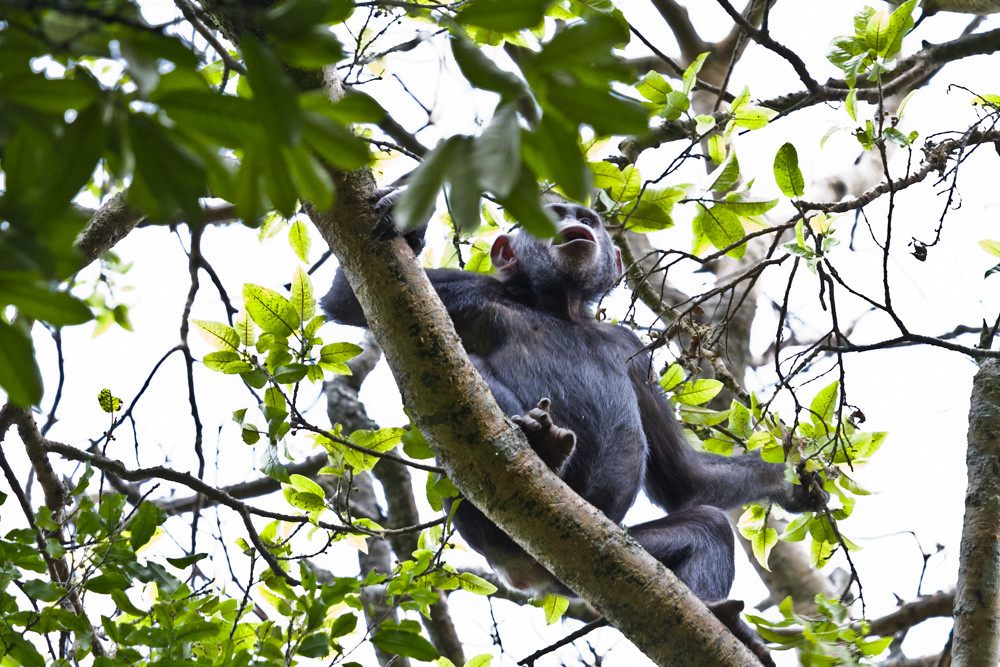
Day 5: Chimpanzee Tracking A morning trek through Kibale’s forest with strong odds of finding the community given Kibale’s typically high sighting rate, followed by an afternoon nature walk in Bigodi Wetland Sanctuary.
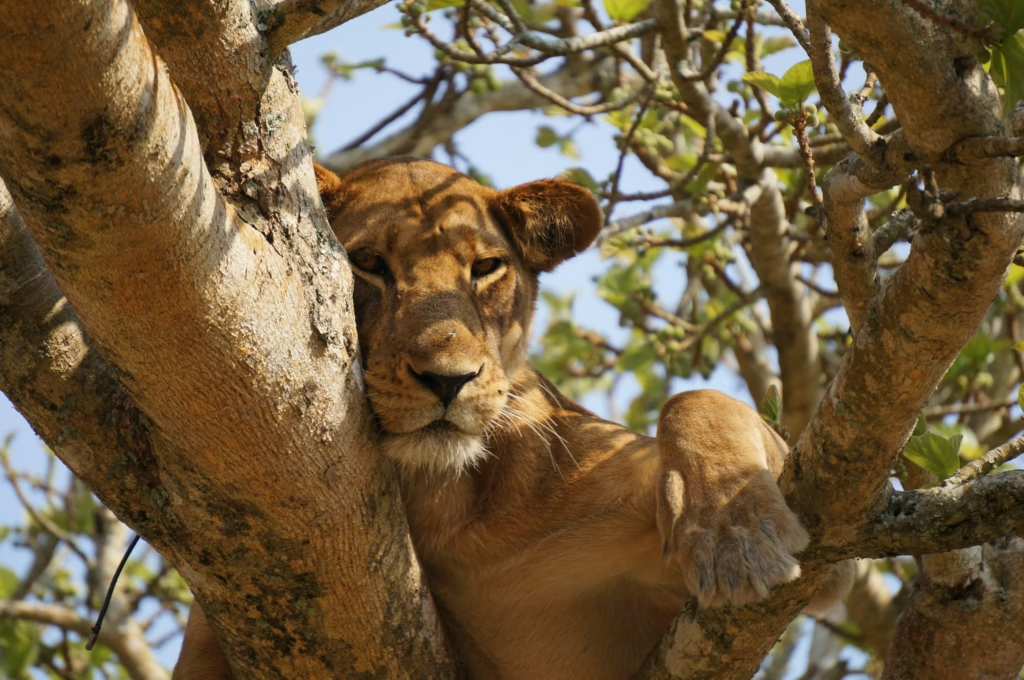
Days 6–7: Queen Elizabeth National Park Game drives in search of Queen Elizabeth’s tree-climbing lions, plus a boat cruise on the Kazinga Channel, one of the highest hippo concentrations anywhere in Africa.
Days 8–10: Transfer to Bwindi Impenetrable National Park A scenic drive south into Bwindi, arriving with a rest day before or after the trek. Gorilla Trekking – The day the whole itinerary is built around: briefing, the hike, and one hour with a mountain gorilla family.
Day 11: Buffer Day / Cultural Visit Built in deliberately in case the trek runs long ; otherwise, a Batwa community visit or a rest morning at the lodge or a visit to Lake Bunyonyi Islands.
Day 12: Departure Transfer back toward Entebbe (or Kigali, if closing the trip via Rwanda) for departure.
Frequently Asked Questions
Is one week enough for a Uganda safari?
Yes, for a focused trip, a week comfortably covers gorilla trekking plus one additional park (typically Queen Elizabeth or Kibale for chimpanzee tracking). It won’t cover the full western and northern circuits without feeling rushed, which is why longer itineraries exist for travelers who want more.
What animals will I actually see on a Uganda safari?
Lions (including the tree-climbing population in Queen Elizabeth), elephants, buffalo, leopards and hippos across the savannah parks, plus mountain gorillas and chimpanzees in the forest parks. Uganda is one of the few countries where both primate trekking and classic Big Five game viewing sit within a single, combinable itinerary.
Is Uganda safe to visit?
Uganda is generally considered a safe, welcoming destination for travelers including those traveling alone. Standard travel precautions apply same as anywhere but there’s no particular safety concern specific to tourist routes or national parks.
Do I need a guide, or can I self-drive?
Self-driving is possible but adds real complexity. Permit logistics, park navigation and knowing where wildlife has been moving recently all favor a local operator, particularly for a first trip. Independent travel can save money but tends to cost more in planning time and the risk of avoidable mistakes.
Ready to Build Your Uganda Itinerary?
Every good Uganda safari itinerary starts from the same question: how much time do you actually have and what matters most within it: gorillas, the full Big Five or both without rushing either. Tell us your dates and priorities and we’ll build the routing around them.